One of the most rewarding parts of travel photography is connecting with people from different cultures. But what happens when you don’t speak the local language?
Fortunately, photography has a unique advantage: a camera can often communicate what words cannot. With a little preparation and respect, you can capture authentic images while creating positive interactions almost anywhere in the world.
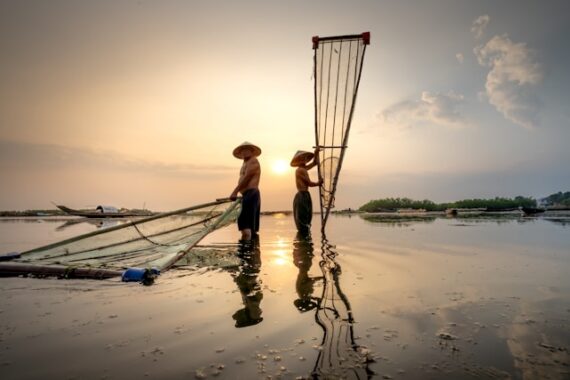
Photo captured by Quang Nguyen Vinh
Learn a Few Key Phrases
Before your trip, memorize a handful of useful expressions:
- Hello
- Thank you
- Please
- Beautiful
- May I take your photo?
Even if your pronunciation isn’t perfect, making the effort is usually appreciated and helps build trust before you ever raise your camera.
Let Body Language Do the Talking
A smile is one of the most universal forms of communication.
If you’d like to photograph someone, make eye contact first, smile, and simply point to your camera while raising your eyebrows as if asking a question. Most people will clearly indicate whether they’re comfortable being photographed.
If they decline, smile again, thank them, and move on.
Show People Their Photo
One of the easiest ways to break through language barriers is to turn your camera around and show your subject the image you just captured.
People often light up when they see themselves, especially children. It creates an instant connection and can lead to even better portraits afterward.
Carry Your Images
Many travel photographers keep a few favorite photos on their phone or camera.
Showing locals examples of your photography helps explain what you’re trying to create without saying a word. It also reassures people that you’re interested in making beautiful photographs rather than invading their privacy.
Use Translation Apps When Needed
Offline translation apps can be incredibly useful in remote locations.
Downloading language packs before your trip allows you to ask permission, explain your project, or simply have a friendly conversation—even without internet access.
Respect Cultural Differences
Photography customs vary widely around the world.
Some cultures welcome cameras enthusiastically, while others may have religious, cultural, or personal reasons for avoiding photographs. Research your destination beforehand so you understand local etiquette.
Respect almost always leads to better travel experiences—and often better photographs.
Photograph the Environment Too
If communication feels difficult, remember that travel photography isn’t only about portraits.
Markets, architecture, landscapes, food, transportation, street scenes, and small everyday details can all tell compelling stories without requiring interaction.
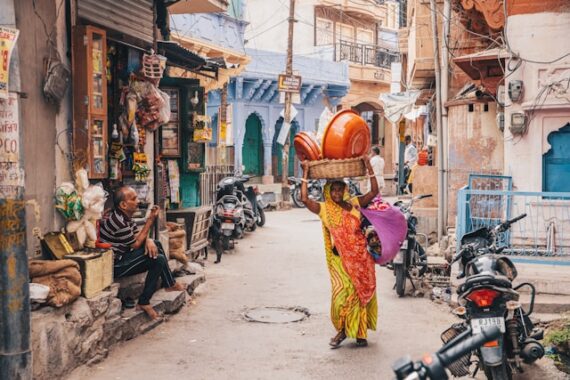
Photo captured by Jannes Jacobs
These images often become some of the strongest memories from a trip.
Be Patient
Sometimes the best photographs happen after spending a few minutes simply observing.
Rather than immediately pointing your camera at someone, browse a market, purchase a snack, or enjoy the surroundings. Once people become accustomed to your presence, interactions often become much more natural.
Stay Aware of Safety and Common Tourist Scams
While photography can be a great way to connect with people, it’s important to stay aware of your surroundings. In busy tourist areas, some scams specifically target travelers carrying expensive cameras.
A few common situations to watch for include:
- Distraction techniques. Someone may ask you to take their photo, spill something on you, or create a commotion while an accomplice attempts to steal your camera or bag.
- Unofficial “photo fees.” In some popular tourist locations, individuals dressed as performers or guides may pose for photos and then aggressively demand payment afterward. If payment is expected, clarify it beforehand.
- Overly friendly strangers. While many people are genuinely kind, be cautious if someone insists on leading you to a “secret viewpoint,” “local market,” or “special photo location,” as it may end in pressure to buy something or pay inflated prices.
- Equipment grab opportunities. Avoid setting your camera bag on the ground or leaving expensive gear unattended, even for a moment. Use a secure camera strap and keep your bag zipped when walking through crowded areas.
It’s also wise to trust your instincts. If a situation feels uncomfortable or someone becomes unusually persistent, politely decline, keep moving, and prioritize your safety over getting the photograph.
A memorable image is never worth putting yourself—or your equipment—at unnecessary risk.
Final Thoughts
Language barriers don’t have to limit your travel photography. Courtesy, patience, and a genuine interest in the people you meet go much further than speaking the perfect language.
In many cases, a warm smile, respectful gestures, and the willingness to connect are all you need to create meaningful photographs—and memorable travel experiences.
Like This Article?
Don't Miss The Next One!
Join over 100,000 photographers of all experience levels who receive our free photography tips and articles to stay current:

Leave a Reply