With today’s sophisticated digital cameras it is relatively easy to take good digital photos. This is especially true if you are using s point and shoot digital pocket camera. However even with such a camera you can follow some tips that will result in better higher quality digital photos. These tips become much more important when using high end SLR cameras in manual mode.
There are many things that can go wrong when taking digital photos. Many of those things could be easily avoided if only the photographer was aware of them. Here is a list of things that can go wrong and some simple ways to avoid them.
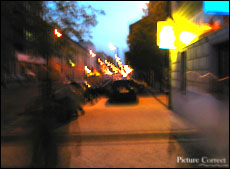 Blurry digital photos: Also known as out of focus digital photos the objects in such digital photos look blurry or smudged. Many people think that by using the automatic focus feature of the camera all digital photos will come out sharp and clear. This is not true. There are some scenes that are harder to focus on. Such scenarios can fail even the most advanced digital camera. Moreover with most digital cameras (excluding SLR) you do not really see how focused the camera is when taking the photo. Looking at the LCD shows you how the photo would be composed but not how focused and sharp it will come out. Even by reviewing the photos on the small LCD it is hard to see on those small screens if the digital photo is focused correctly or not. With digital SLR cameras this becomes easier as looking through the viewfinder provides an accurate focus feedback through the digital camera’s lenses. Digital cameras provide some sort of feedback – either audible or visual – when they are focused. They also display a green rectangle (or another shape or color) around the area of the photo that they focused on. It is important to make sure that this area is where the objects you want to focus on are especially when there are multiple objects in different distances from the camera.
Blurry photos can also result from shakings of the camera. Such shakings are mostly a problem in conditions where a long shutter time is used. When the shutter opens for a very short period small shakings would not be noticeable. If the shutter is opened for longer period usually longer than 1/250 of a second shakings become an issue. To avoid such shakings learn how to hold the camera steady using two hands and leaning on your face. If the shutter speed is very slow try to stabilize the camera preferably using a tripod but if you do not have one you can improvise using any stable surface such as a table or a wall.
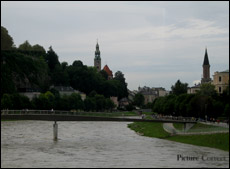 Dark digital photos: Digital photos that look dark are usually a result of underexposure. They are dull and lack details. In most cases the camera can automatically set the exposure to produce good quality digital photos. In some scenarios however the camera sets the wrong exposure. Learning to identify these scenarios can help you compensate for such camera errors. If there is a very bright light source in the photo it can confuse the camera to believe that there is enough light in the scene for a low exposure setting. It is a good assumption that scenes that have extreme lighting differences between different areas will confuse the digital camera. In such cases you can manually correct the exposure. If your camera supports bracketing a good option would be to take a few photos of the same scene in different exposure settings and later on to choose the best one.
Very bright photos: Digital photos that look very bright are a result of overexposure. They usually have areas that are blown out or even completely saturated. The scenarios that cause overexposed digital photos are similar to the one mentioned above that cause underexposed photos. You can identify them in the same way and compensate the exposure setting or better use exposure bracketing if your camera supports it.
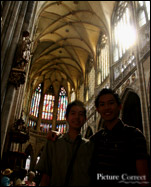 Unwanted shadows: Sometimes unwanted shadows will appear in a digital photo. For example when taking a portrait digital photo there are unwanted shadings on the object’s face. The reason for such shadings is that the camera measures the ambient light and sets the exposure accordingly. However even with the right exposure setting shades can appear on the object depending on the angle of the light source relative to the object. In the mentioned portrait photo if the light source is from the side of the object’s face the object’s nose can create shades. In another scenario the object is wearing a hat and it is lit from above. The hat creates shades on the object’s face. The camera can not automatically correct such shades as it simply measures ambient light and can not figure out the light source position relative to the object. It is easy to fix this problem – when you identify a scenario that can be problematic – set the flash to a “fill in” mode (make sure that the object is within flash range) – the flash will fire regardless of the exposure and compensate for the shades.
The object in the digital photo is completely dark: This is also known as a silhouette effect. It happens when taking a digital photo of a scene that has a very bright light source right behind the object. One good example of that is taking a photo of a person during sunset or sunrise. The result is a dark silhouette of the person with a good photo of the sunset or sunrise background. Similar to the shading problem this problem can be solved by setting the flash to “fill in” mode. The fill-in flash lights up the object (you need to make sure that the object is within effective flash range) and results in a quality digital photo.
Ziv Haparnas is a technology veteran and writes about practical technology and science issues. This article can be reprinted and used as long as the resource box including the backlink is included. You can find more information about photo album printing and photography in general on http://www.printrates.com – a site dedicated to photo printing.
Like This Article?
Don't Miss The Next One!
Join over 100,000 photographers of all experience levels who receive our free photography tips and articles to stay current:





thanks for the post..Also known as out of focus digital photos the objects in such digital photos look blurry or smudged.