Many photographers think Manual Mode is simply about gaining more control over camera settings.
While that’s certainly true, one of the biggest benefits of shooting in Manual Mode has nothing to do with buttons, dials, or technical knowledge.
It changes the way you see light.
When you rely entirely on Auto Mode, the camera evaluates the scene and makes exposure decisions for you. While convenient, this can prevent you from developing a deeper understanding of the light that’s shaping your photographs.
Related: Ready to make serious progress with your camera? PictureCorrect Premium works like a photography accelerator — structured, practical, and the June enrollment special intro offer is ending soon! ⏰
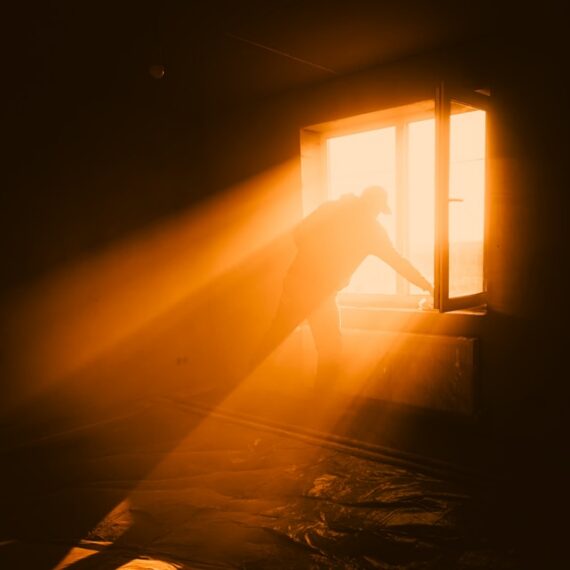
Photo captured by Max Ovcharenko
Manual Mode forces you to become an active observer.
You Start Paying Attention to Brightness
The moment you begin choosing your own aperture, shutter speed, and ISO, you naturally become more aware of a scene’s brightness.
Instead of simply taking the photo, you start asking questions:
- Is the light strong or weak?
- Where are the shadows falling?
- Is the subject brighter than the background?
- How quickly is the light changing?
Over time, you’ll find yourself estimating exposure before you even raise the camera to your eye.
You Learn to Recognize Different Types of Light
Manual Mode helps you notice the character of light, not just its brightness.
You begin recognizing the difference between:
- Soft overcast light
- Harsh midday sunlight
- Golden hour glow
- Open shade
- Window light indoors
Each lighting situation creates a different mood and requires a different approach. The more you shoot manually, the faster you learn to identify these conditions.
You Understand Why Photos Look the Way They Do
Have you ever wondered why one image feels dramatic while another feels flat?
The answer is often the light.
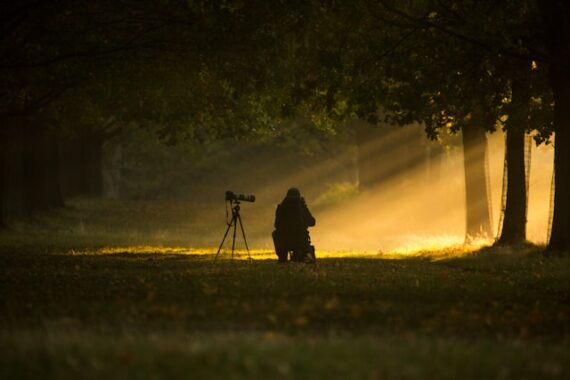
Photo captured by Diana Parkhouse
When you’re constantly adjusting exposure yourself, you start connecting lighting conditions with the results you see in your photographs. You learn how light direction, intensity, and quality influence the final image.
Instead of hoping for a good result, you’re making deliberate creative decisions.
You Notice Light Everywhere
One of the most rewarding side effects of learning Manual Mode is that you start seeing photography opportunities in everyday life.
A shaft of sunlight through a doorway.
Interesting shadows cast by a fence.
Soft evening light illuminating a building.
Reflections bouncing off a nearby wall.
Many photographers discover they become more aware of light even when they don’t have a camera with them.
Once you can recognize good light, predict exposure, and anticipate how a scene will photograph, every camera becomes easier to use.
Manual Mode simply accelerates that learning process.
And that’s why photographers who learn Manual Mode often develop a stronger photographic eye. They’re not just seeing subjects anymore—they’re seeing the light that brings those subjects to life.
Most people struggle with Manual mode not because it’s hard — but because they’re constantly arguing with their camera.
With the PictureCorrect Premium newsletter, this is exactly the kind of thing we train through:
- Short, focused explanations
- Controlled shooting exercises
- Real-world scenarios that force understanding, not memorization
If Manual mode has ever almost made sense but still felt inconsistent, this is the missing layer.
Deal ending soon: June Enrollment Special Intro Offer
Like This Article?
Don't Miss The Next One!
Join over 100,000 photographers of all experience levels who receive our free photography tips and articles to stay current:





Leave a Reply