Light creates shadow and shadow in return, enhances the appearance of the subject. The interaction of the two is fascinating. Light can make the subject feisty or dull while shadows can make it mysterious or terrifying.
Shadows add facet and meaning to an image. Without shadows the object may appear plain and boring. Lights and shadows establish the correlation of one object to another and their place in the full scene. The position and strength of the lights and shadows also set the general mood of the subject.
It is engrossing to play with lights because you can do amazing things to your subject just by manipulating it. The sun is inviting and the objects are responding. The latter casts bright and translucent blaze that overly saturates the colors of the scene making sharp shadows. Artificial light also exudes brightness that illuminates a scene from different perspectives. It allows innumerable shadows that collide and contends for prominence. Artificial light comes in a wide array of colors. Colored shadows are then created by colored light sources.
With the help of Photoshop, the object is vested an illusion that it has a third dimension. Photoshop’s files are configurations of pixels that are put across the width and down the height of an image. Third dimension’s illusion is created through the use of accurate shading and perspective.
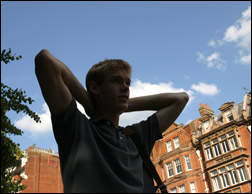 The sun’s shadow identifies the time of the day. It can tell whether it is morning, noon or afternoon just by its shadow. Shadows are also essential in some types of arts like painting, photography and stage play. With Photoshop you can lower your subject’s opacity and blur the layer with the Gaussian Blur filter. Select Filter> Blur> Gaussian Blur. By this you can manipulate and play the time of your masterpieces.
Shadows are created in various shapes and sizes. You can play with it to create an amusing blend of objects forming a remarkable artwork! There are instances when the object casting the shadow is hidden. There are also times when you have to make them visible to the scene.
Drop shadow, a distinct type of shadow, has the identical shape of the object casting it. The distance of the object and the path of light source resolve the position of the shadow. Layer Styles allows you to add a drop shadow to layers. It can be controlled in many ways.
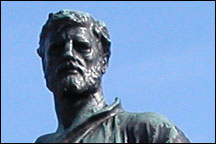 To position the shadow, adjust the Angle field’s value in the Structure of the dialog box. The distance verifies how far the shadow will fall. The Spread field works like the Hardness feature of the Brushes – intensify the percentage to yield a harder edge. To set the size of the shadow, click on the Size field. To set its shape, choose the Contour field. You can also click on the Contour icon to bring up the Contour Editor – with it you can set your own parameters.
To set a noise level for your shadow, click on the Noise field. When you click on Add Noise filter, it applies the noise to the layer. In the Layer Style dialog box, you can find Blending Options. In the General Blending section, you can set the opacity. After that, go to the Advanced Blending section and see the Fill Opacity setting. This allows you to lower the opacity without changing the style effects.
For additional information and comments about the article you may log on to PrintingQuotesOnline
Like This Article?
Don't Miss The Next One!
Join over 100,000 photographers of all experience levels who receive our free photography tips and articles to stay current:



Leave a Reply